Printable Pet First Aid Cheat Sheet for Emergencies
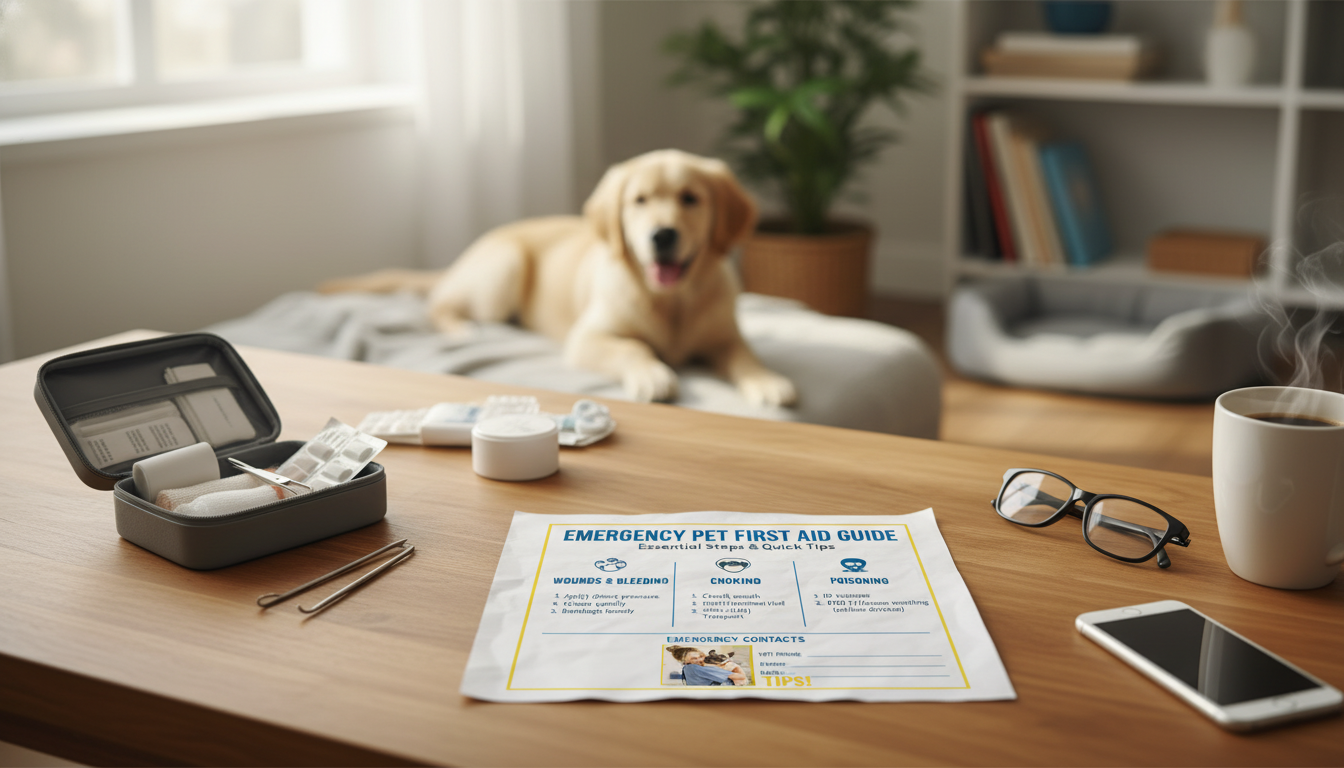
Must-Know Pet First-Aid Cheat Sheet: Printable Emergency Guide with Vet Tips
Fast action matters when a pet is hurt, choking, overheated, or suddenly ill. A simple, printable cheat sheet helps you stay calm, follow the right steps, and recognize when it’s time to call your vet or head to an emergency clinic. Below are essential first-aid basics for common emergencies, a quick triage checklist, and practical guidance on what to keep in a pet first-aid kit so you’re ready at home or on the road.
When to Use a Pet First-Aid Cheat Sheet
A one-page emergency guide is most useful when stress is high and time is limited. Reach for it when you notice:
- Sudden injuries: cuts, bleeding, limping, suspected fractures, or bite wounds
- Breathing problems: choking, trouble breathing, blue/pale gums
- Heat and cold emergencies: heatstroke, hypothermia, frostbite concerns
- Poisoning risks: ingestion of medications, chemicals, toxic foods, or plants
- Stings and allergic reactions: facial swelling, hives, repeated vomiting, collapse
- Transport decisions: when it’s safer to stabilize and go immediately rather than treat at home
Emergency Triage: Quick Checks That Guide Next Steps
When something is wrong, quick triage helps you prioritize what matters most.
- Check safety first: move your pet away from danger (traffic, water, aggressive animals, smoke) without putting yourself at risk of bites or scratches.
- Assess responsiveness: are they alert, weak, or unconscious? Note any seizure activity.
- Check breathing: look for chest rise, listen for airflow, and watch for coughing or gagging.
- Check gum color and capillary refill: gums are generally pink; very pale/white, blue/gray, or brick red can signal an emergency.
- Control severe bleeding immediately: use firm pressure while preparing to leave for urgent care.
- Call ahead: contact your veterinary clinic or emergency hospital while someone else drives if possible.
Red-Flag Signs That Need Immediate Veterinary Care
| Sign | What it can indicate | What to do right away |
|---|---|---|
| Trouble breathing, choking, blue/gray gums | Airway obstruction or respiratory distress | Keep pet calm, avoid muzzle if breathing is impaired, go to emergency vet now |
| Uncontrolled bleeding or large/deep wound | Shock risk, blood loss | Apply pressure bandage, limit movement, seek urgent care |
| Collapse, extreme weakness, unresponsiveness | Shock, toxin exposure, heart issue, severe illness | Keep warm, transport immediately, call emergency clinic |
| Repeated vomiting, bloated abdomen, unproductive retching (dogs) | Possible gastric dilatation-volvulus (bloat) | Do not delay; go to emergency vet immediately |
| Seizure lasting > 2–3 minutes or multiple seizures | Neurologic emergency, toxin exposure | Keep area safe, do not restrain mouth, seek urgent veterinary help |
| Known/suspected toxin ingestion | Poisoning | Call vet/poison helpline; bring packaging; go in if directed |
Common Emergencies and What to Do First
- Bleeding: apply firm, steady pressure with clean gauze or cloth. Add layers without removing the original if it soaks through. Use a snug bandage, but check toes for swelling/coldness that can signal circulation is too tight.
- Choking: if an object is visible and easily reachable, gently remove it. Avoid blind finger sweeps. If distress continues (gasping, collapsing, blue gums), go to emergency care immediately.
- Heatstroke: move to shade/AC, offer small sips of cool water if conscious, and cool with wet towels (not ice baths). Go to the vet—heat injury can worsen internally even if your pet seems better.
- Burns: cool with running water or a cool compress. Avoid creams/ointments unless directed. Cover loosely and contact a veterinarian for next steps.
- Suspected fractures/trauma: minimize movement, use a towel/blanket as a stretcher, keep your pet warm, and seek urgent care.
- Poisoning: do not induce vomiting unless a veterinarian or poison expert tells you to. Save the label/packaging and note timing and suspected amount.
- Allergic reactions: facial swelling, hives, or vomiting can escalate. Contact a veterinarian promptly and monitor breathing closely.
How to Safely Handle and Transport an Injured Pet
Pet First-Aid Kit Essentials for Home and Car
For additional pet first-aid guidance, consult reputable references such as the American Veterinary Medical Association (AVMA) pet first-aid tips, ASPCA Animal Poison Control resources, and American Red Cross cat and dog first aid.
Printable Cheat Sheet: What to Include on One Page
Must-Know Pet First-Aid Cheat Sheet (Printable)
If you want a ready-to-print, quick-reference layout, the Must-Know Pet First-Aid Cheat Sheet (Printable Emergency Guide) is designed to be easy to scan during high-stress moments. It’s especially helpful for multi-pet households, new pet parents, and travel/car preparedness—best used alongside a stocked first-aid kit and a plan (like having your nearest 24/7 clinic route saved in your phone).
For organization and calm under pressure, some pet owners also like pairing emergency planning with supportive printables such as The Ultimate Productivity Blueprint (for checklists and routines) or The Anxiety Relief Bundle: A Path to Calm (for grounding tools that can help you stay focused while coordinating care).
FAQ
Should vomiting be induced if a dog or cat eats something toxic?
Not automatically—inducing vomiting can be dangerous depending on what was swallowed (and whether your pet is drowsy, vomiting already, or having trouble breathing). Call your veterinarian or a pet poison helpline first, and have the packaging and timing/amount ready.
What are the most urgent signs that mean a pet needs emergency care right now?
Breathing difficulty, uncontrolled bleeding, collapse/unresponsiveness, repeated or prolonged seizures, suspected bloat (especially in dogs), severe trauma, or known/suspected toxin ingestion all warrant immediate veterinary care. Call ahead if possible and transport your pet safely and quickly.
What should be in a basic pet first-aid kit for home and the car?
Include bandage materials (gauze, non-stick pads, wrap), gloves, saline/eyewash, scissors and tweezers, a thermometer, towels, an instant cold pack, and a leash or carrier. Add an emergency contact card with your vet, the nearest 24/7 clinic, and poison help numbers.












Leave a comment